Emerald Youth Grants
Applications are now closed. Stay tuned for future funding announcements!
The Emerald Youth Grant program empowers youth aged 5-25 across Alberta to take on environmental projects that inspire change and foster environmental stewardship. Each grant provides up to $1,000 in funding to support meaningful initiatives.

Eligibility Criteria
- Group Projects: Your project must involve more than one participant
- Youth-Led: Participants must be aged 5-25, excluding group leaders or mentors
- Alberta-Focused: Projects must occur within Alberta
Frequently Asked Questions
How many grants are available?
The EYG grant pool consists of $15,000. The total number of grants distributed will depend on the amount of funding requested from applicants. Once the total grant pool is distributed, the EYG program will stop accepting applications.
Can I request more than $1,000?
No. If your total project budget exceeds $1,000, you must indicate how additional funds will be sourced.
What if our project costs less than $1,000?
That’s okay! The average grant request is $850. You should request only what you need to complete your project.
Can I apply even if I’ve received an EYG grant in the past?
Yes, as long as you are applying for a new project and you have submitted all final reports from previous projects.
Can we apply if our project has already started?
Yes, as long as most of the work is still ahead, and the project can be completed by the June 1st deadline.
Can adults help with the project?
Yes, mentors, teachers, and group leaders can provide support, but the ideas, leadership, and work must be primarily led by youth aged 5–25.
If you have questions or need assistance with your application, please contact our Communications and Engagement Specialist, Sabrina!
Previous Recipients
Get inspired with examples of previous EYG projects!
Not the End of the World Media Campaign
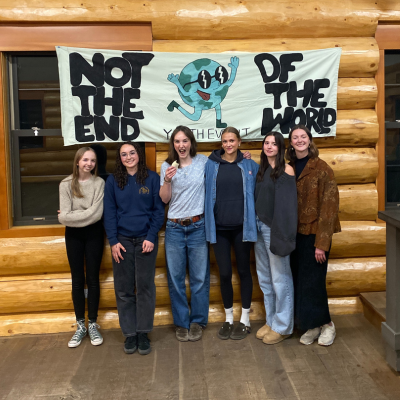
In response to the need for positive environmental news, Canmore’s Future Leaders Youth Council created the Not the End of the World media campaign. Through radio segments and social media posts, their messages tackled environmental topics that often come across as daunting, unapproachable, and hopeless while highlighting positive environmental news stories. Motivated by the community’s support of their initiative, the youth council organized a concert and open mic night focused on climate action, creativity, and togetherness. The event drew an impressive 76 attendees spanning all age groups!
Microbial Fuel Cell Challenge
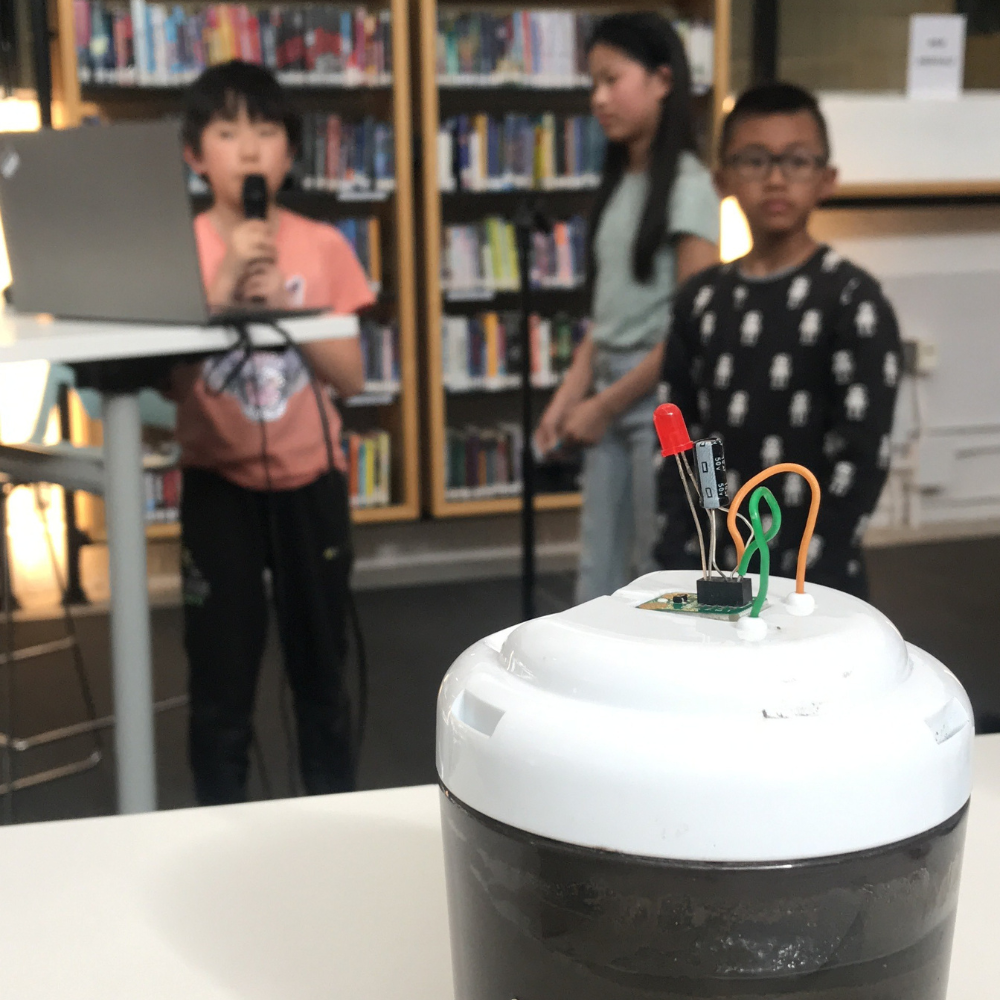
Aaron and Justin, two brothers from Calgary, created the Microbial Fuel Cell (MFC) challenge to help over 100 grade 5 students learn about sustainability and renewable energy sources. Together in groups, students used an MFC kit to generate electricity using microbes that exist in normal garden soil over the course of a few weeks. Once their MFCs were generating electricity they presented to their peers and a panel of judges on how an MFC works and what they learned from the challenge.
Interpretive Signage Installation
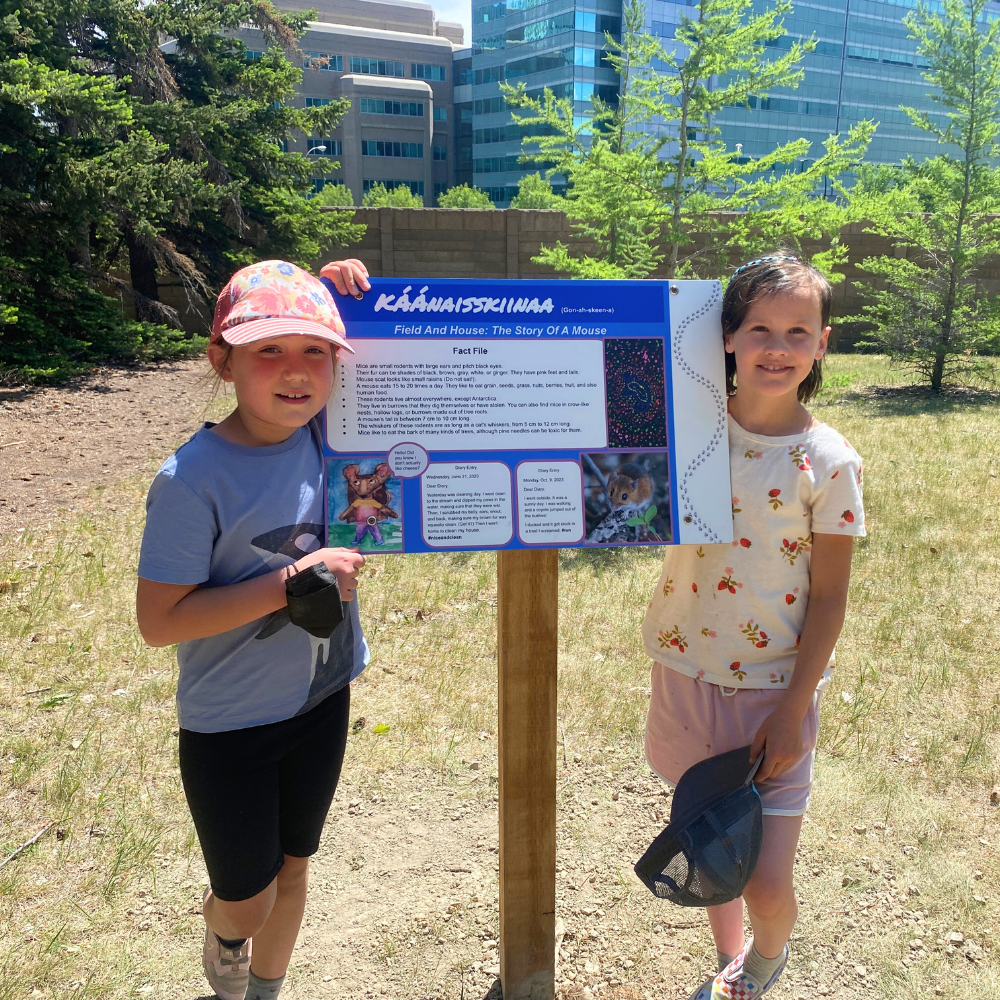
Together with their teacher, Kara Rowley, 25 Grade Three and Four students researched, designed, and installed interpretive signage along a walkway from their school to a wild space. The signage highlights the importance of living well with and on the land and making space for all living beings that need it.
How the EYG impacted this project:
“Without the support of the Emerald Youth Grant Program, we would not have been able to being our project out into the world in a permanent and professional way. Our Emerald Grant covered the cost of our sign printing and helped my students and myself share our outdoor pathway sign project with our larger community.” – Kara Rowley
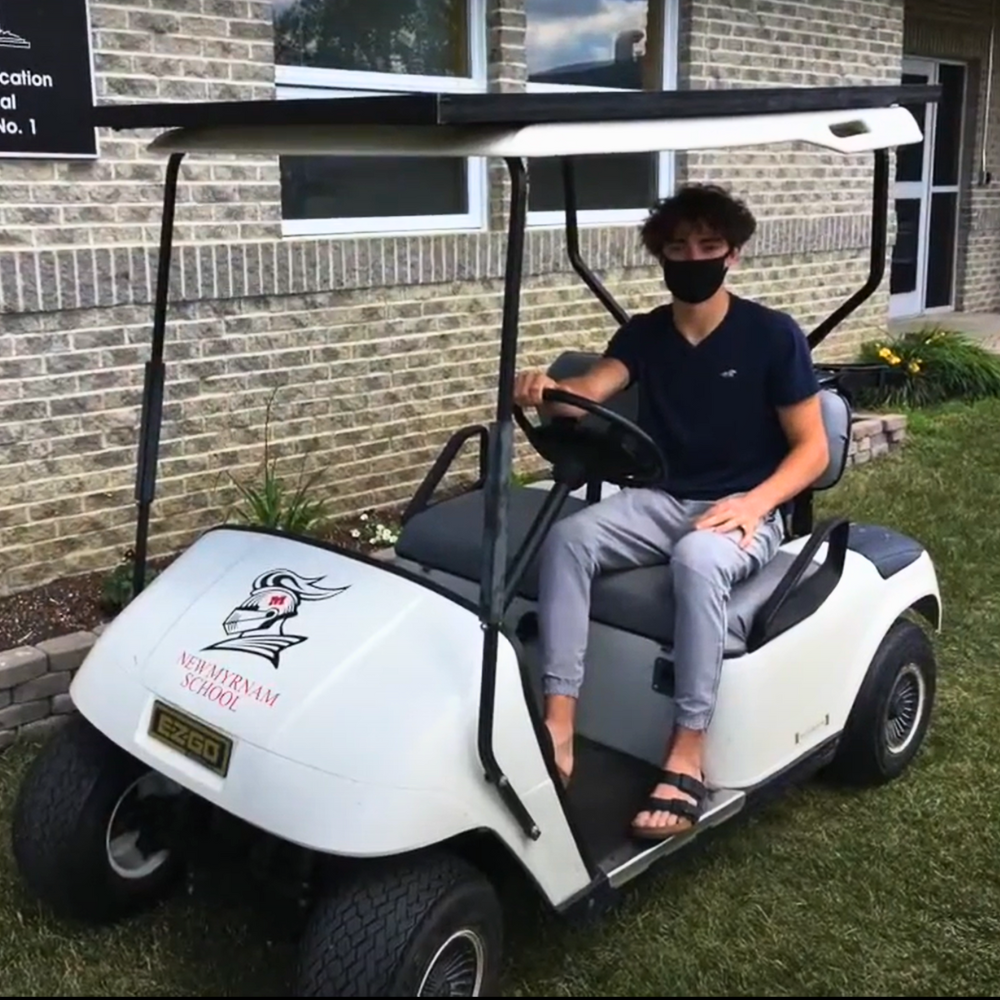
Creating Renewable Energy Vehicles at New Myrnam School
With the help of their teacher, Robert Tymofichuk, 20 middle school students refurbished pre-owned golf carts by installing solar panels, turning them into renewable energy vehicles! With a full charge, the golf carts can travel 8 km without the solar panel, and depending on the sunlight available, the range will be extended.
Thank you to the Oil Sands Alliance for making this program possible!