Agriculture is a significant contributor to greenhouse gas emissions, while also facing increasing pressure from a changing climate. Finding ways to produce food while protecting the environment is critical to long-term sustainability.
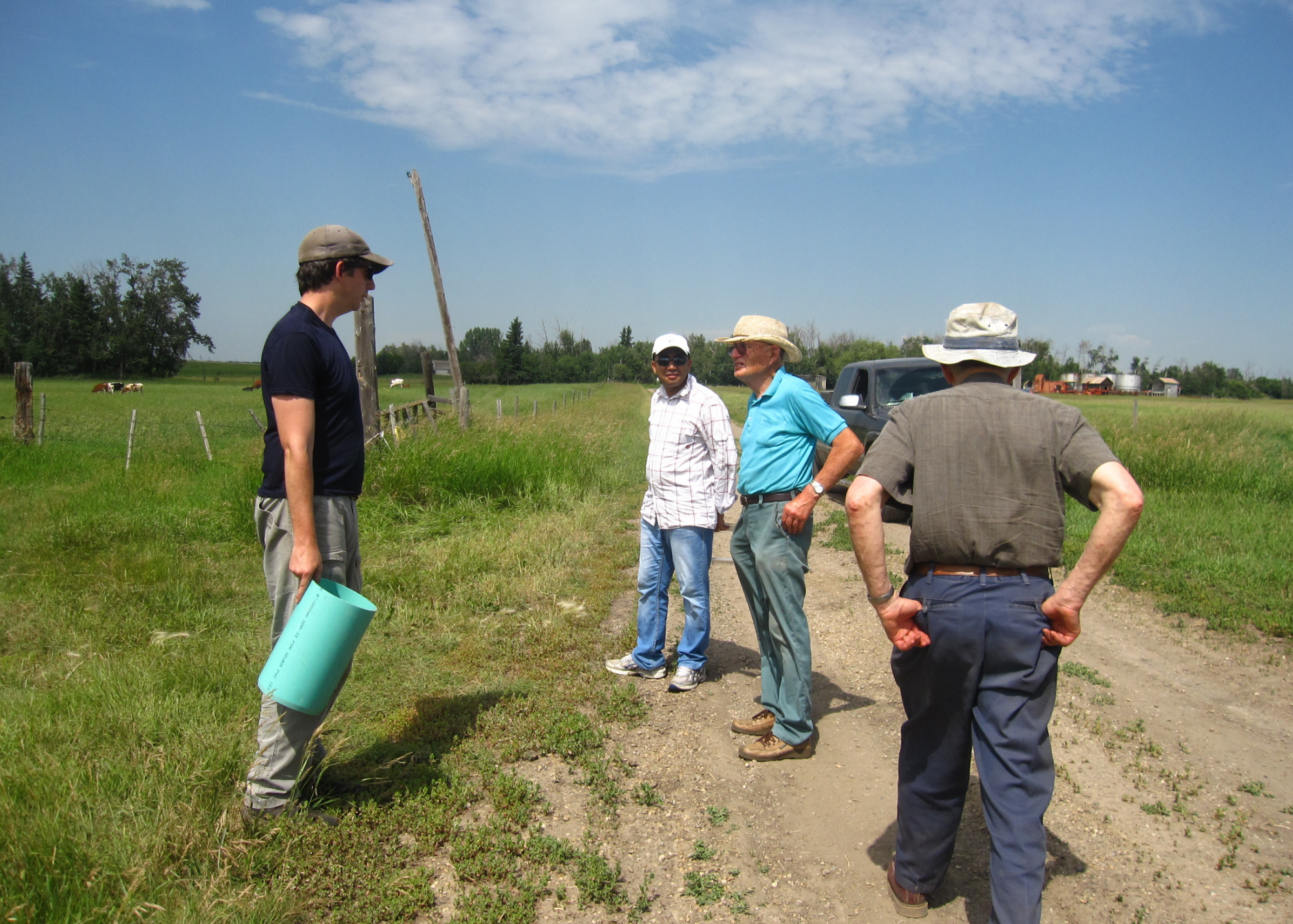
Researchers at the University of Alberta have spent more than a decade developing practical land management approaches that integrate trees, crops, and livestock. Their work focuses on agroforestry systems, such as shelterbelts and silvopasture, as well as on innovations, such as applying biochar to agricultural soils. Together, these approaches increase carbon storage, reduce emissions, and improve
soil health across working landscapes. They promoted their work through 9 extension notes, 25 peer-reviewed articles, 2 monographs, 50+ presentations, and a YouTube video.
Across central Alberta, these systems already store nearly 700 million tonnes of carbon over 9.5 million hectares of land. Expanding shelterbelt planting could increase carbon stocks by 2.3 times, generating $3.2 billion in economic value for the region and strengthening the resilience and productivity of agricultural systems for generations to come.